

Moisture problems in basements rarely begin with visible mold. Instead, they develop gradually through environmental changes, material degradation, and subtle shifts in air quality. The most reliable early indicators include persistent humidity, condensation on cold surfaces, surface mineral deposits, and recurring odors that intensify after weather changes. Recognizing these signs early allows homeowners to intervene before microbial growth begins and structural damage escalates.
Early Environmental Changes You Should Not Ignore
One of the earliest indicators of a basement moisture issue is elevated relative humidity. When indoor humidity consistently exceeds 60%, conditions become favorable for microbial activity even if no mold is visible. This often results from slow water intrusion through foundation walls or insufficient ventilation.
Condensation is another critical early warning sign. When warm indoor air meets cooler basement surfaces such as pipes, ductwork, or concrete walls, moisture forms on contact points. While this may seem harmless, it signals an imbalance in moisture control that often worsens over time.
During a recent field inspection in Squirrel Hill, technicians observed that homeowners consistently underestimated the frequency of recurring condensation events. What appeared to be seasonal humidity was actually continuous vapor migration through microcracks in the foundation.
Another overlooked indicator is the “feel” of the air. Basements affected by early-stage moisture problems often feel slightly heavy, cool, or damp even when no visible water is present. This change is subtle but consistent across properties experiencing long-term moisture imbalance.
How Concrete and Masonry Reveal Hidden Moisture
Concrete is porous, meaning it absorbs and transmits moisture over time. One of the clearest visual indicators of this process is efflorescence, a white, chalky residue left behind when water evaporates and deposits mineral salts on the surface.
Discoloration is another warning sign. Dark patches that appear after rain or snowmelt often indicate intermittent seepage caused by hydrostatic pressure. These marks may fade temporarily, but they return under similar moisture conditions.
Cracks in foundation walls should also be monitored closely. Even hairline fractures can allow slow water intrusion, especially during freeze-thaw cycles or prolonged rainfall.
Surface coating failure is another important signal. Paint bubbling, peeling, compromised waterproof coatings, or blistering finishes typically occur when vapor pressure pushes moisture outward through the wall assembly. This is not a surface defect; it is a structural moisture symptom commonly addressed in Pittsburgh, PA, basement waterproofing evaluations and remediation strategies.
Odor as an Early Diagnostic Tool
Odor is one of the most reliable early indicators of basement moisture issues. A persistent musty or earthy smell is typically caused by microbial volatile organic compounds (MVOCs) released by bacteria and fungi in damp environments.
These odors often intensify after rainfall or snowmelt, indicating that water intrusion is active rather than residual. Unlike surface moisture, odor can persist even when visible signs are minimal.
Air quality effects may include mild respiratory irritation, sinus sensitivity, or discomfort during prolonged exposure in the basement. These symptoms often go unnoticed or are attributed to seasonal allergies, when in reality they correlate strongly with elevated humidity conditions.
Professionals who specialize in moisture diagnostics frequently consider odor one of the earliest and most cost-effective indicators of developing basement issues. It often precedes structural damage by weeks or even months.
Material Degradation That Happens Before Mold Appears
Moisture affects building materials in predictable ways long before mold becomes visible. Wood framing is particularly sensitive and may begin to swell, warp, or soften when exposed to sustained humidity. These changes often occur at joints or load-bearing points where moisture accumulates.
Metal components are also vulnerable. Support posts, fasteners, and HVAC brackets may show early rust formation due to prolonged exposure to humid air. Importantly, this corrosion does not require standing water; high humidity alone is sufficient.
Flooring systems often reveal hidden moisture conditions first. Vinyl flooring may begin lifting at edges, laminate may separate at seams, and carpet may feel damp or cool underfoot even without visible water.
During a structural assessment in the Lawrenceville neighborhood of Pittsburgh, PA, inspectors discovered adhesive breakdown beneath finished flooring. Moisture testing confirmed vapor migration through the slab, indicating a long-term foundation moisture condition that had not yet produced visible mold growth.
These material changes are critical because they represent the transition from environmental imbalance to structural impact.
Hidden Indicators That Require Measurement Tools
Not all moisture problems are visible. Some of the most important warning signs require diagnostic tools to detect.
Sustained relative humidity above 60% is one of the strongest predictive indicators of future mold growth. This threshold creates conditions where spores can activate rapidly once organic material is present.
Recurring dampness in the same localized area after drying is another key indicator. This suggests ongoing moisture intrusion rather than isolated incidents such as spills or temporary leaks.
Salt deposits forming on masonry surfaces are often overlooked but highly diagnostic. These crystalline formations occur when groundwater moves through concrete and evaporates, leaving mineral residues behind.
In a technical evaluation conducted in the Shadyside neighborhood of Pittsburgh, PA, moisture mapping revealed concealed saturation zones behind finished wall panels. No visible mold existed at the time, but environmental conditions were already within the activation range for microbial growth.
Professional Diagnostic Methods
Accurate moisture detection often requires professional evaluation using specialized equipment. Moisture meters measure water content within building materials, helping distinguish between surface dampness and structural saturation.
Hygrometers track humidity levels over time, revealing whether conditions are stable or persistently elevated. This is especially important in basements where moisture levels fluctuate with weather conditions.
Infrared thermal imaging is one of the most effective tools for identifying hidden moisture. It detects temperature differences caused by evaporative cooling, which often reveals water intrusion behind walls or beneath flooring systems.
Specialists working in basement waterproofing in Pittsburgh, PA, environments rely heavily on this combination of tools to develop accurate moisture profiles and identify root causes rather than treating symptoms.
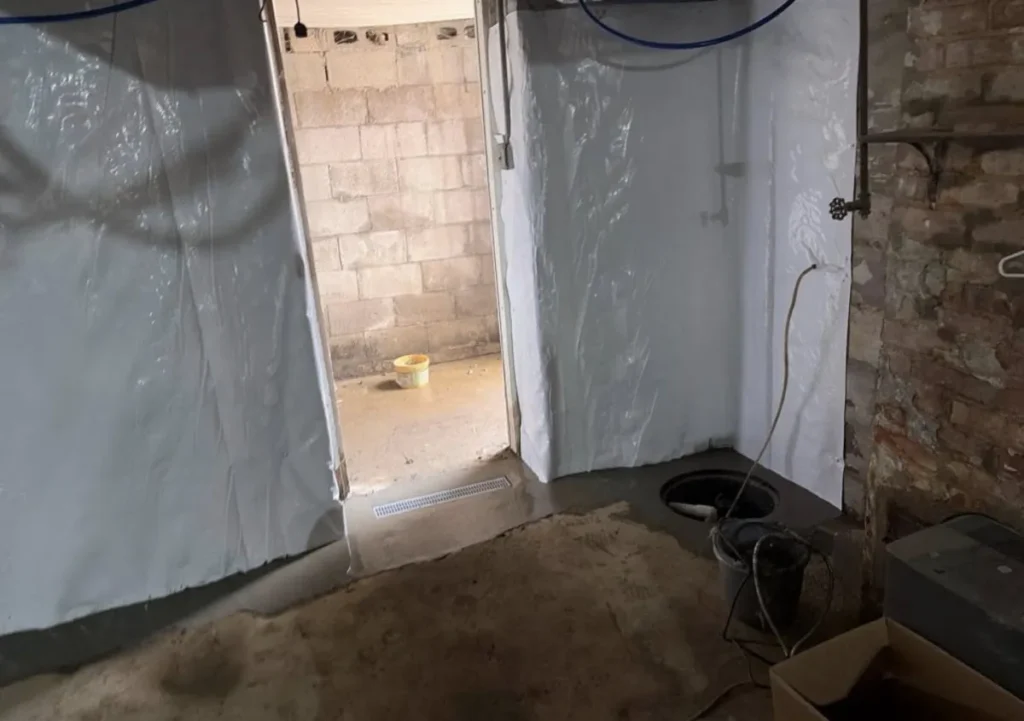
Long-Term Prevention Strategies
Preventing basement moisture issues requires a dual approach: external water management and internal humidity control.
Exterior grading should slope away from the foundation to prevent water accumulation near the basement walls. Gutters and downspouts must also discharge far enough from the structure to avoid soil saturation near the foundation perimeter.
Internally, dehumidification is essential. A properly sized dehumidifier can stabilize humidity levels and prevent conditions that support microbial growth. Air sealing and crack repair further reduce vapor transmission through concrete.
Routine inspection is equally important. Many moisture problems develop gradually and remain undetected until structural damage occurs. Early monitoring helps identify patterns before they escalate.
Properties requiring basement waterproofing in Pittsburgh often show measurable humidity imbalance long before visible deterioration becomes apparent, making preventive maintenance a critical factor in long-term protection.
When Moisture Becomes an Urgent Problem
Certain conditions indicate that moisture intrusion has progressed beyond early warning stages.
Active water seepage, standing water, or rapidly expanding wall stains suggest structural or drainage failure. These conditions require immediate corrective action.
Persistent musty odors, combined with rising humidity, may also indicate that microbial activity has already begun, even if mold is not yet visible.
Delaying intervention at this stage significantly increases repair complexity, cost, and long-term structural risk. Early detection remains the most effective strategy for preventing full-scale remediation.
Final Takeaway
Basement moisture problems develop in stages that can be identified early through careful observation of environmental, structural, and material changes. Recognizing these warning signs before mold forms significantly reduces repair costs and prevents long-term damage, a proactive approach emphasized by TC Foundation Pros LLC.
For expert evaluation and long-term moisture-control solutions, contact us to connect with TC Foundation Pros LLC for a professional inspection and targeted foundation-protection strategies.
People Also Ask
What is the earliest sign of basement moisture problems?
The earliest sign is usually sustained high humidity or recurring condensation on cold surfaces before any visible water appears.
Can moisture exist in a basement without mold?
Yes. Moisture conditions such as vapor intrusion, condensation, and efflorescence often occur long before mold develops.
Why do basement walls get white powder on them?
This white residue, called efflorescence, forms when water passes through masonry and leaves mineral deposits behind after evaporation.
How do professionals detect hidden basement moisture?
They use moisture meters, infrared imaging, and humidity-monitoring tools to detect subsurface or concealed water intrusion.