
Preventing flooding and water damage in Pittsburgh starts with understanding the risks and taking proactive measures. Homes in the area often face heavy rainfall, foundation issues, and drainage challenges that can contribute to moisture problems below ground. A basement affected by excess water can lead to structural damage, mold growth, and expensive repairs, making prevention essential. By learning the main causes and implementing practical strategies, homeowners can keep their lower level dry and protect their property from costly damage.
Key Takeaways
- Maintain proper grading and landscaping to direct water away from your basement.
- Clean gutters and extend downspouts to prevent water from pooling near the foundation.
- Install a reliable sump pump with a backup system for emergencies.
- Seal foundation cracks and inspect your basement routinely.
- Keep emergency tools such as water alarms and sandbags ready for sudden flooding events
Understand the Causes of Basement Flooding
Water damage in basements is usually caused by a combination of natural and structural factors. Heavy rainfall and strong storms can overwhelm drainage systems, while poor soil grading around a home may direct water toward the foundation instead of away from it. Small cracks in basement walls or floors allow moisture to seep inside, and a malfunctioning sump pump can leave the space vulnerable during severe weather. Seasonal groundwater fluctuations can also increase moisture levels below ground. Understanding these causes is the first step toward effective basement waterproofing in Pittsburgh, as it helps homeowners determine which prevention measures will be most effective for their property.
Exterior Prevention Strategies
- Proper Landscaping and Grading
- Ensure that the soil slopes away from the foundation to direct water outward. A slope of at least 6 inches over the first 10 feet from the house is recommended.
- Avoid planting water-retaining landscaping features close to your basement walls, such as flower beds or garden borders that can trap water.
- Consider adding gravel beds or French drains in areas prone to water pooling.
- Regularly check your yard after storms to see if puddles form near the house, indicating grading adjustments may be needed.
- Trees and shrubs should be planted at a safe distance from the foundation, as roots can impact grading and create paths for water intrusion.
- Gutter and Downspout Maintenance
- Clean gutters and downspouts regularly to prevent clogs that can cause water overflow and foundation damage.
- Extend downspouts at least 6-10 feet from the foundation to ensure water flows away efficiently.
- Inspect downspout drainage patterns to avoid directing water toward neighboring properties or low-lying areas.
- Installing gutter guards can reduce debris buildup and lower maintenance frequency.
- During winter months, check for ice dams that can block water flow and potentially cause leaks near the foundation.
- Exterior Waterproofing Solutions
- Applying a high-quality waterproofing layer to foundation walls can prevent water from penetrating interior spaces.
- Installing French drains or perimeter drainage systems can redirect water away from your home, especially in areas of Pittsburgh with clay soil that retains moisture.
- Exterior waterproofing should be inspected periodically for wear and tear, with reapplication as needed.
- For homes on sloped terrain, additional drainage solutions like retaining wall drains may be necessary to manage runoff effectively.
Interior Prevention Strategies
- Sump Pumps and Backup Systems
- A primary sump pump can remove water that collects in the basement during heavy rain or snowmelt.
- Including a backup system, such as battery-powered or water-powered pumps, protects during power outages, which are common in severe storms.
- Regular testing and maintenance of your sump pump ensure it operates reliably when needed most.
- Consider installing a dual sump pump system in basements with higher water flow risk, offering extra security during major rainfall events.
- Seal Cracks and Leaks
- Hydraulic cement or epoxy can seal cracks in basement walls and floors effectively, preventing water from entering through structural weaknesses.
- Inspect areas around windows, doors, and floor joints for leaks regularly.
- Addressing minor leaks early can prevent mold growth, structural damage, and higher repair costs.
- Keep an eye on basements with older concrete or brick walls, as aging materials are more susceptible to cracks and water penetration.
- Interior Waterproofing Measures
- Applying waterproof coatings to walls and floors creates a barrier against moisture, especially in areas with higher humidity.
- Interior drainage channels can guide any seepage toward the sump pump, providing an additional layer of protection.
- Combining interior and exterior waterproofing measures is often the most effective strategy for long-term basement protection.
- Ensure ventilation in the basement remains adequate to reduce moisture buildup and promote drying if minor leaks occur.
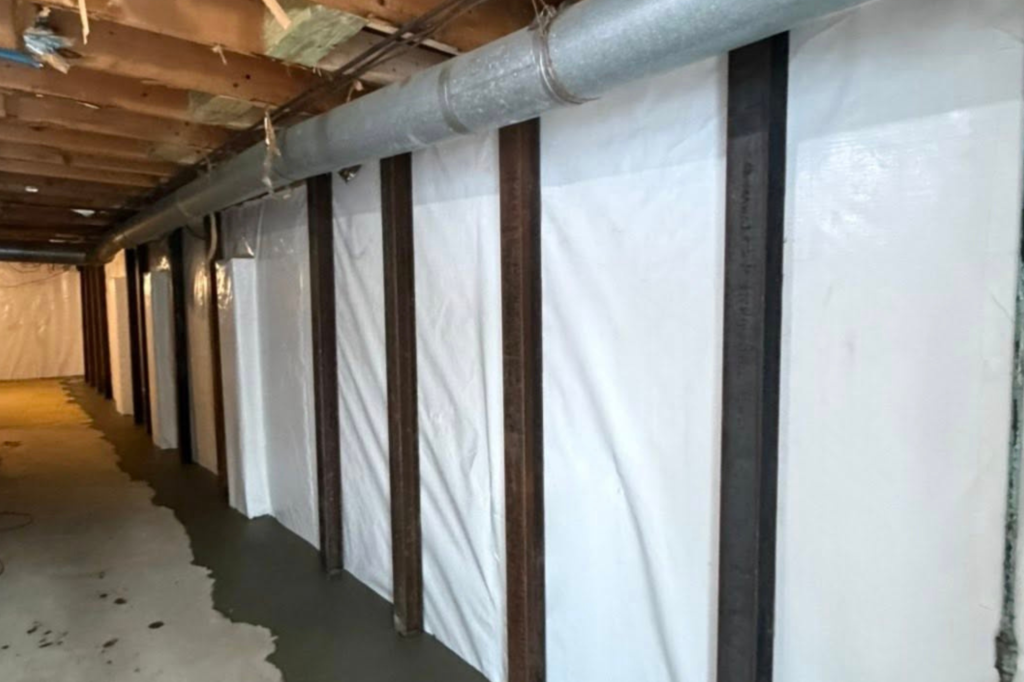
Professional Basement Waterproofing
For homeowners seeking long-term solutions, professional basement waterproofing in Pittsburgh, PA, offers comprehensive protection. Experts can assess your basement’s unique conditions, install sump pumps, apply waterproofing coatings, and integrate drainage systems designed specifically for Pittsburgh’s climate and soil types. Proper professional installation ensures maximum effectiveness and reduces the likelihood of future water damage. Moreover, professionals can identify hidden issues that may be overlooked during DIY attempts, providing peace of mind that your basement is fully protected.
Routine Maintenance
Regular maintenance is essential to prevent flooding and water damage and is a key part of Pittsburgh, PA, basement waterproofing. Inspect your basement after heavy rainfall, test your sump pump monthly, and clean gutters seasonally, where weather conditions can change quickly. Keep a log of inspections and any repairs to track performance over time. Monitoring small signs of leaks early allows you to address them before they become major problems. Additional routine checks include:
- Inspecting window wells and basement window seals.
- Checking the grading around the home to ensure water flows away from the foundation.
- Cleaning and flushing interior drainage channels if installed.
- Ensuring that appliances in the basement, such as water heaters, do not contribute to leaks or overflow.
Emergency Preparedness
Even with preventative measures, emergencies can occur. Installing water alarms provides early detection of leaks. Keep sandbags or portable flood barriers ready for sudden water surges. Develop a plan to move valuable items to higher ground if flooding occurs. Emergency preparedness can also include:
- Identifying safe exit routes in case of severe flooding.
- Creating an inventory of valuables stored in the basement for insurance purposes.
- Keeping a small toolkit handy for quick repairs in the event of leaks.
- Staying informed about local weather alerts, particularly in areas prone to heavy rainfall or flash flooding.
About TC Foundation Pros
TC Foundation Pros is Pittsburgh’s trusted expert in basement waterproofing and foundation repair. Our team specializes in protecting homes from flooding and water damage with professional solutions like sump pump installation, exterior waterproofing, and interior drainage systems. We provide reliable service for any foundation or basement issue, keeping your Pittsburgh home safe and dry. Contact us today to schedule a free inspection and safeguard your basement from water damage.
FAQ (People Also Ask)
How can I prevent my Pittsburgh basement from flooding?
Focus on proper grading, gutter maintenance, sealing foundation cracks, and installing a reliable sump pump with a backup system.
What’s the best sump pump for Pittsburgh homes?
Choose a pump suitable for your basement’s size, ideally with a battery or water-powered backup for continuous operation during storms.
How often should I inspect my basement for leaks?
Inspect at least monthly and after heavy rainfall to catch early signs of water intrusion and prevent significant damage.
Does landscaping really affect basement flooding?
Yes. Improper grading or water-trapping soil near the home increases flooding risk, so landscaping plays a critical role in basement protection.