

Basement leaks after waterproofing usually occur because water finds a path around, through, or beyond the system. The most common causes include drainage failures, hydrostatic pressure buildup, foundation movement, sump pump problems, and aging materials.
Even when a waterproofing system is professionally installed, changing soil conditions, severe weather, and structural changes can create new vulnerabilities over time. Understanding the root cause is essential for preventing recurring moisture problems and protecting your home’s foundation.
Why Basement Leaks Can Return After Waterproofing
Many homeowners assume waterproofing permanently eliminates water intrusion. In reality, it is a system designed to manage water rather than remove groundwater from the environment.
Homeowners researching basement waterproofing in Pittsburgh, PA, solutions are often surprised to learn that drainage, structural integrity, and moisture management must work together for long-term success.
A basement can remain dry for years and then suddenly develop moisture issues because of:
- Soil settlement around the foundation
- Increased groundwater levels
- Clogged drainage systems
- Foundation movement
- Mechanical failures within the waterproofing system
When one component stops performing as intended, water often finds the path of least resistance.
The Most Common Causes of Basement Leaks After Waterproofing
1. Drainage System Problems
A drainage system is one of the most important components of Pittsburgh basement waterproofing. Its job is to collect groundwater and direct it away from the structure.
Over time, drainage systems can become less effective because of:
- Sediment buildup
- Debris accumulation
- Crushed or damaged drain lines
- Improper installation slopes
When water cannot move efficiently through the system, it begins to accumulate around the foundation, increasing the risk of leaks.
2. Hydrostatic Pressure
Hydrostatic pressure occurs when saturated soil exerts force against foundation walls and floors. After heavy rainfall or snowmelt, groundwater levels can rise significantly.
As pressure increases, water may begin entering through:
- Concrete pores
- Construction joints
- Foundation cracks
- Floor-to-wall intersections
Even minor openings can allow moisture intrusion when enough pressure exists outside the foundation.
3. Foundation Cracks and Structural Movement
Foundations naturally expand, contract, and settle over time. While some movement is normal, excessive movement can create new cracks or reopen previously repaired areas.
Signs of foundation-related water intrusion include:
- Horizontal wall cracks
- Stair-step cracking in masonry
- Uneven floors
- Repeated water staining near repaired areas
Addressing the structural cause is often necessary to prevent leaks from returning.
4. Sump Pump Failure
Many waterproofing systems rely on sump pumps to remove collected groundwater. When the pump stops working, water can quickly accumulate.
Common causes of sump pump failure include:
- Mechanical wear
- Electrical problems
- Power outages
- Float switch malfunctions
- Frozen discharge lines
Routine testing helps identify issues before a major storm exposes a failure.
5. Exterior Waterproofing Deterioration
Exterior waterproofing membranes are designed to prevent moisture from reaching foundation walls. Although durable, they can deteriorate because of age, soil movement, root intrusion, or improper installation.
Once an exterior barrier is compromised, water can penetrate the foundation, creating recurring moisture issues.
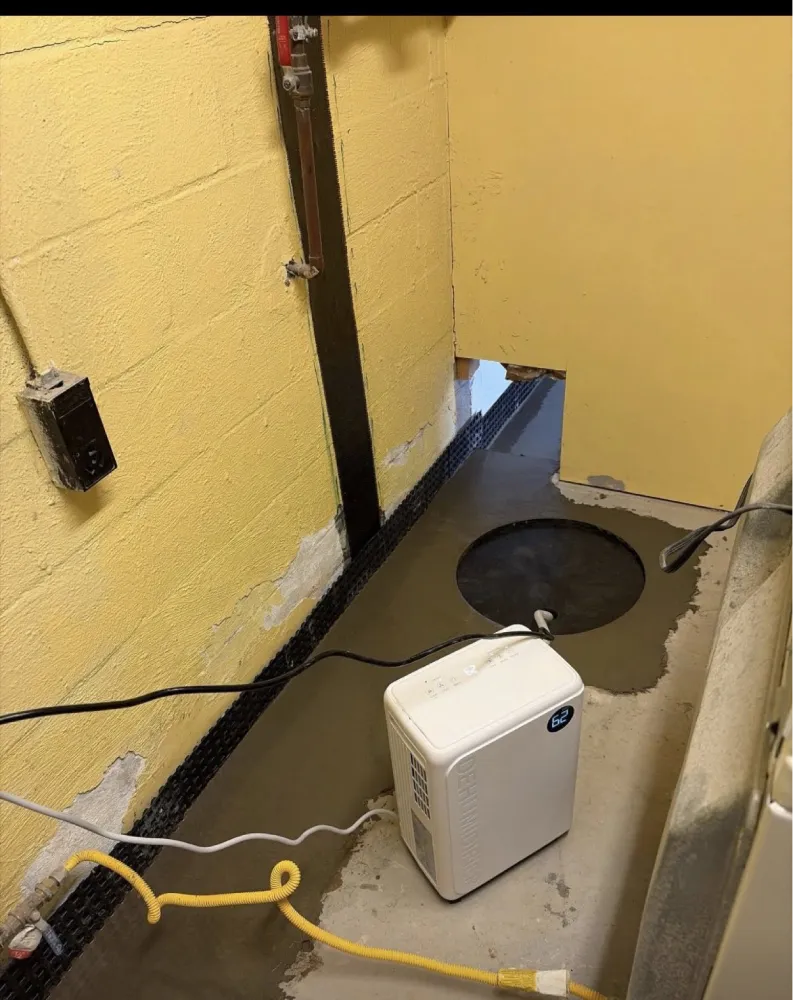
Comparison Table: Interior vs. Exterior Waterproofing Failures
| Factor | Interior Waterproofing | Exterior Waterproofing |
| Main Purpose | Redirect water away from the basement | Prevent water from reaching the foundation |
| Common Failure Point | Drain blockage or pump failure | Membrane deterioration |
| Accessibility | Easier to inspect and repair | Requires excavation |
| Maintenance | Moderate | Lower but harder to access |
| Typical Lifespan | 10–25 years | 20–40 years |
Both approaches can be highly effective when properly designed and maintained.
Debunking a Common Industry Myth
Myth: Waterproofing Guarantees a Basement Will Never Leak Again
This belief creates unrealistic expectations for homeowners.
Waterproofing systems significantly reduce the risk of water intrusion, but they must contend with changing environmental conditions and structural factors. A system installed ten years ago may face very different groundwater conditions today than it did during installation.
The most reliable waterproofing strategies include:
- Proper drainage management
- Routine inspections
- Foundation monitoring
- Sump pump maintenance
- Prompt repair of developing issues
Long-term success depends on ongoing performance rather than a one-time installation, a principle that is central to effective basement waterproofing in Richmond.
Applying Our AquaShield Analysis Method™ to Solve This
At TC Foundation Pros LLC, we use the AquaShield Analysis Method™ to identify the true source of recurring basement leaks.
Rather than focusing only on visible symptoms, this process evaluates the entire water management system.
Step 1: Water Movement Analysis
We evaluate how surface water and groundwater move around the property.
Step 2: Foundation Assessment
Our team inspects walls, floors, joints, and structural components to identify potential entry points.
Step 3: System Performance Testing
Drainage systems, sump pumps, and discharge lines are tested to determine whether they can manage real-world water conditions.
Step 4: Long-Term Risk Evaluation
We assess grading, soil conditions, and environmental factors that could contribute to future moisture problems.
This method helps ensure that recommendations address the root cause rather than temporary symptoms.
How to Reduce the Risk of Future Basement Leaks
Follow These Preventive Steps
- Test your sump pump every few months.
- Keep gutters and downspouts clear.
- Ensure grading slopes away from the foundation.
- Inspect foundation walls for new cracks.
- Schedule periodic drainage system inspections.
- Address moisture issues before they become structural problems.
Preventive maintenance is often far less expensive than major foundation repairs.
Why Homeowners Trust TC Foundation Pros LLC for Lasting Solutions
Water intrusion problems are rarely caused by a single factor. Successful waterproofing requires an understanding of groundwater behavior, foundation construction, drainage systems, and long-term structural performance.
For homeowners researching Pittsburgh, PA, basement waterproofing options, TC Foundation Pros LLC focuses on diagnosing the source of the problem before recommending repairs. This approach helps avoid unnecessary work while improving long-term results.
By combining practical field experience with proven waterproofing methods, the company helps homeowners protect their investment and reduce the risk of future moisture damage.
In Summary
TC Foundation Pros LLC notes that basement leaks that occur after waterproofing are typically not due to a full system failure. In most cases, they stem from issues such as inadequate drainage, hydrostatic pressure buildup, foundation movement, or mechanical defects in system components. Proper diagnosis of the root cause is essential to implementing a durable fix and preventing recurring water intrusion and structural damage.
If you’re comparing basement waterproofing solutions or need a professional evaluation of recurring moisture issues in your basement, contact us today. The team at TC Foundation Pros LLC can help identify the source of the problem and recommend the most effective path forward for your home.
FAQ
Why does my basement still leak after waterproofing?
Leaks may occur because of clogged drains, hydrostatic pressure, foundation movement, sump pump issues, or deterioration of waterproofing materials.
Can heavy rain cause a waterproofed basement to leak?
Yes. Extended rainfall can saturate surrounding soil and increase hydrostatic pressure beyond the system’s capacity.
How long does waterproofing typically last?
Interior systems often last 10 to 25 years, while exterior systems can last several decades, depending on environmental conditions and maintenance.
Should small foundation cracks be repaired?
Yes. Small cracks can become entry points for water and may indicate ongoing structural movement.