

Basement foundation leak repair depends on the underlying cause of water intrusion, the condition of the foundation, and the repair method required to restore stability and prevent future moisture issues. Most homeowners require a mix of crack sealing, drainage correction, and waterproofing solutions, depending on the severity of the problem and how long it has been developing.
In practical terms, basement leaks are rarely isolated surface problems. They are usually symptoms of larger issues such as hydrostatic pressure, improper grading, or structural movement. Understanding the root cause is the most important step before any repair work begins, because the wrong solution often leads to repeated leaks and higher long-term costs.
What Determines the Need for Basement Foundation Leak Repair?
There is no single fix for basement leaks because every foundation behaves differently under soil and moisture conditions. A proper repair plan is based on site-specific factors such as soil type, water table levels, and the age of the structure.
Key Influencing Factors
- Soil saturation and drainage capacity
- Foundation material and construction type
- Depth and pattern of visible cracking
- Exterior grading and water runoff direction
- Presence of sump systems or prior waterproofing
- Seasonal freeze-thaw cycles affect soil movement
In many cases, homeowners only notice symptoms inside the basement, while the real cause lies outside the structure, where water accumulates and exerts pressure on the foundation walls.
Common Types of Basement Foundation Leak Repairs
Basement repair solutions vary in complexity. Some focus on sealing entry points, while others address water management around the entire structure.
| Repair Method | Primary Function | Application |
| Crack Injection | Seals active or dormant wall cracks | Localized leaks |
| Interior Drainage System | Redirects water below floor level | Persistent seepage |
| Sump Pump Installation | Removes collected groundwater | Flood prevention support |
| Exterior Waterproofing | Blocks water before it enters the foundation | Severe intrusion cases |
| Structural Reinforcement | Stabilizes shifting walls | Structural movement issues |
Homeowners researching foundation repair in Pittsburgh, PA, often find that the most effective repairs combine multiple methods rather than relying on a single fix.
What Causes Basement Foundation Leaks?
Basement leaks are typically caused by pressure, movement, or deterioration within the foundation system or surrounding soil conditions. Identifying the source is essential because surface repairs alone do not prevent recurrence.
Hydrostatic Pressure
When groundwater accumulates around a foundation, it creates continuous pressure against the basement walls. Over time, this force pushes water through even small imperfections in concrete.
Foundation Cracking and Movement
Concrete naturally expands and contracts with temperature changes and soil shifting. Over time, this movement creates cracks that allow moisture to enter.
Poor Drainage Conditions
Improper grading, clogged gutters, or short downspouts can direct large volumes of water toward the foundation instead of away from it.
Aging Waterproofing Systems
Older homes often rely on outdated waterproof coatings or drainage systems that gradually lose effectiveness.
Interior Plumbing Failures
Not all basement moisture originates outside. Hidden plumbing leaks can mimic foundation seepage and require separate repair strategies.
During an inspection near Shadyside, technicians found that repeated basement moisture was caused by a hidden plumbing leak rather than groundwater intrusion, highlighting the importance of proper diagnosis.
Signs of Basement Water Intrusion
Basement leaks often develop gradually, making early detection critical for preventing structural damage.
Common Warning Indicators
- Damp or discolored foundation walls
- Musty odors or persistent humidity
- Water pooling after rainfall
- White mineral buildup on concrete surfaces
- Visible cracks in walls or floors
- Bowing or leaning foundation walls
- Mold or mildew growth
- Peeling paint or wall damage
- Rust on metal fixtures
- Uneven or shifting flooring
Homeowners frequently seek Pittsburgh foundation repair services when multiple warning signs appear, especially after heavy rainfall or snowmelt.
Interior vs Exterior Basement Repair Systems
The choice between interior and exterior repair methods depends on how water enters the structure and whether structural damage is present.
Interior Repair Approach
Interior systems manage water after it enters the basement. These systems typically include drainage channels installed along the foundation floor and sump pumps that remove the collected water.
Exterior Repair Approach
Exterior solutions focus on preventing water from reaching the foundation walls in the first place. This often involves excavation, installation of a waterproof membrane, and improvements to exterior drainage.
| Feature | Interior System | Exterior System |
| Water Control | Manages internal moisture | Prevents entry at the source |
| Installation Impact | Minimal disruption | Requires excavation |
| Longevity | Moderate | Long-term protection |
| Use Case | Moderate seepage | Severe or recurring leaks |
Each system has advantages depending on the severity and cause of the leak.
Key Basement Repair Terms Explained
Hydrostatic Pressure
Pressure is created when groundwater accumulates around foundation walls and pushes inward.
Epoxy Injection
A structural sealing method used to fill and stabilize cracks in concrete.
French Drain System
A subsurface drainage system that redirects groundwater away from the foundation.
Sump Pump System
A mechanical pump that removes accumulated water from a drainage basin in the basement.
Foundation Settlement
Movement of a structure caused by soil shifting, erosion, or insufficient support beneath the foundation.
How Basement Leaks Affect Property Condition
Basement leaks impact more than just the lower level of a home. Over time, moisture intrusion can affect structural integrity, indoor air quality, and overall property value.
Common long-term effects include:
- Mold growth behind walls and flooring
- Structural weakening of foundation materials
- Reduced energy efficiency due to humidity imbalance
- Interior material deterioration
- Lower property inspection ratings
Homes with finished basements or storage areas for vehicles, tools, or sensitive equipment are especially vulnerable, as excess moisture can damage electronics, metals, and interior finishes.
Factors That Increase Repair Complexity
Some basement leaks are simple to fix, while others require extensive structural work depending on underlying conditions.
Structural Movement
If foundation walls are bowing or shifting, reinforcement systems such as carbon fiber straps or wall anchors may be required.
Excavation Requirements
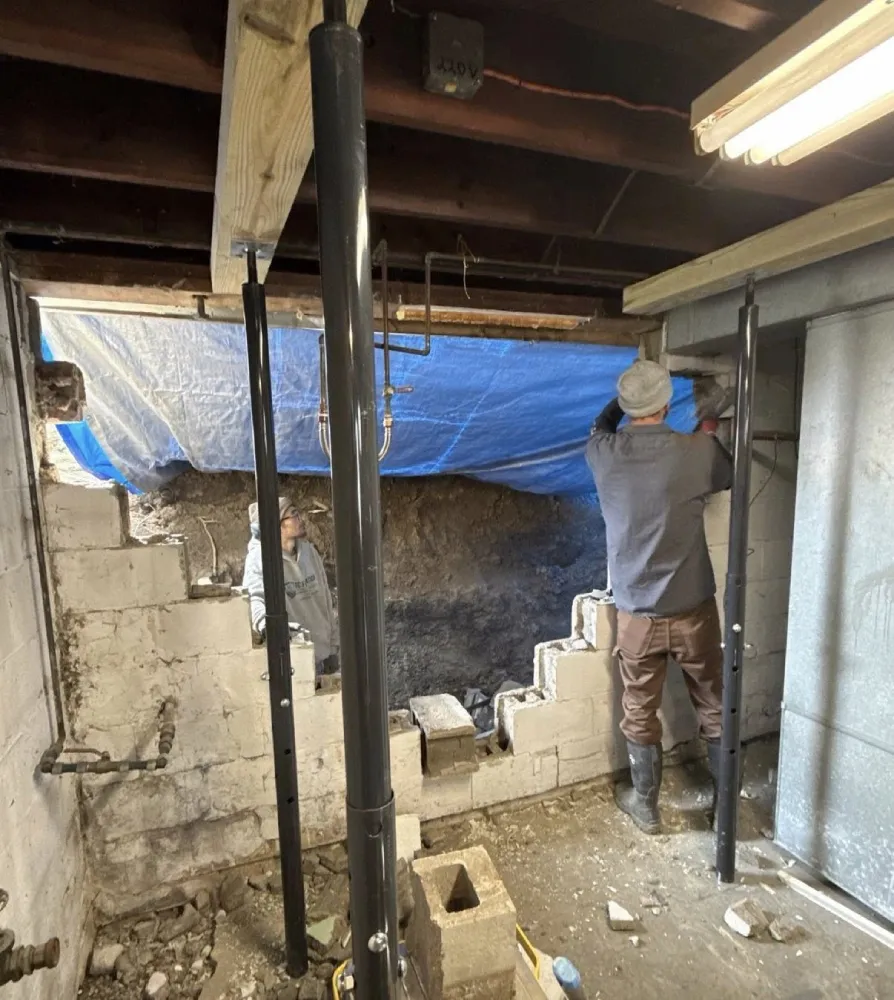
Exterior waterproofing typically requires excavation around the foundation perimeter, increasing project complexity.
Hidden Moisture Damage
Long-term leaks often result in concealed mold or moisture damage behind finished walls.
Finished Basement Restoration
Finished spaces may require removal and reconstruction after waterproofing or structural repairs are completed.
During work near Squirrel Hill, technicians uncovered hidden moisture damage behind finished basement walls that had gone unnoticed for years, significantly increasing the scope of repairs.
Waterproofing vs Structural Foundation Repair
Although often discussed together, waterproofing and structural repair address different issues.
| Category | Primary Objective |
| Waterproofing | Prevents water intrusion |
| Structural Repair | Restores foundation stability |
In many cases, both solutions are required to fully resolve basement problems. Waterproofing addresses moisture entry, while structural repair ensures the foundation remains stable under pressure.
Contractors offering foundation repair in Pittsburgh services typically begin with a full inspection to determine whether water intrusion, structural movement, or both are present.
Common Misconception About Small Foundation Cracks
A widespread misconception is that small foundation cracks do not require attention. While some cracks are cosmetic, others may indicate early structural movement or pressure buildup.
Small cracks can expand over time due to:
- Seasonal freeze-thaw cycles
- Soil expansion and contraction
- Hydrostatic pressure buildup
- Continuous moisture exposure
A homeowner near Lawrenceville initially ignored a small crack, which later developed into a larger water intrusion issue requiring both drainage correction and structural reinforcement.
How Professionals Diagnose Basement Leaks
Accurate diagnosis is critical because basement leaks often have multiple contributing factors.
Standard Inspection Process
- Visual foundation assessment
- Moisture testing in walls and flooring
- Drainage system evaluation
- Structural movement inspection
- Exterior grading review
- Sump pump performance testing
Professionals specializing in Pittsburgh, PA, foundation repair rely on this structured approach to identify both visible symptoms and hidden causes of water intrusion.
TC Foundation Pros LLC Inspection Approach
TC Foundation Pros LLC follows a structured inspection system designed to ensure accurate diagnosis and long-term repair success.
Structural Evaluation
Foundation walls, floors, and joints are assessed for cracking, shifting, or deterioration.
Moisture Source Identification
Determines whether water intrusion originates from groundwater, drainage failure, or plumbing systems.
Drainage Analysis
Reviews grading, gutter performance, and exterior water flow patterns.
Repair Strategy Development
Creates a customized plan based on the severity and root cause of the issue.
Prevention Planning
Provides long-term recommendations to reduce future moisture and structural risks.
Preventative Maintenance Recommendations
Preventive maintenance is one of the most effective ways to reduce long-term repair needs.
- Keep gutters clean and functional
- Extend downspouts away from the home
- Maintain proper soil grading around the foundation
- Monitor indoor humidity levels
- Address small cracks early
- Test sump pump systems regularly
- Schedule periodic inspections
These steps help reduce groundwater pressure and minimize the likelihood of future basement leaks.
Final Thoughts: Protect Your Foundation Early
Basement foundation leaks rarely resolve on their own. Small signs of moisture can quickly develop into larger structural and environmental issues if left untreated.
Early inspection and proper repair planning by TC Foundation Pros LLC help protect structural integrity, preserve property value, and minimize the complexity and cost of long-term repairs.
If you are experiencing basement moisture issues or foundation concerns, contact us today for a professional inspection and a tailored repair solution designed to protect your home in the long term.
People Also Ask
What causes most basement foundation leaks?
Most leaks are caused by hydrostatic pressure, drainage failure, or foundation cracking.
Can basement leaks worsen over time?
Yes, untreated leaks typically expand due to soil movement and seasonal weather changes.
What is the most effective long-term solution?
A combination of exterior waterproofing and proper drainage correction is often the most durable solution.
When should I call a foundation specialist?
At the first sign of recurring moisture, cracks, or basement dampness.