
Basement waterproofing is a foundational protection strategy that prevents moisture intrusion, structural weakening, and long-term deterioration of residential properties. When properly designed, it prevents water from entering at multiple points and manages hydrostatic pressure before it becomes a structural risk. Homeowners searching for reliable protection against basement waterproofing in Pittsburgh, PA, conditions need systems built around soil behavior, drainage control, and foundation integrity, not temporary patchwork fixes.
TC Foundation Pros LLC focuses on diagnostic-first waterproofing strategies that identify the true source of water intrusion before recommending a solution. This ensures long-term stability, reduced repair cycles, and improved structural resilience.
Understanding How Basement Water Problems Actually Develop
Most basement moisture issues do not appear suddenly. They develop gradually due to environmental pressure, soil saturation, and fatigue of the foundation material.
Water typically enters through:
- Hydrostatic pressure buildup against foundation walls
- Hairline cracks in poured concrete or block walls
- Improper exterior grading or drainage slope
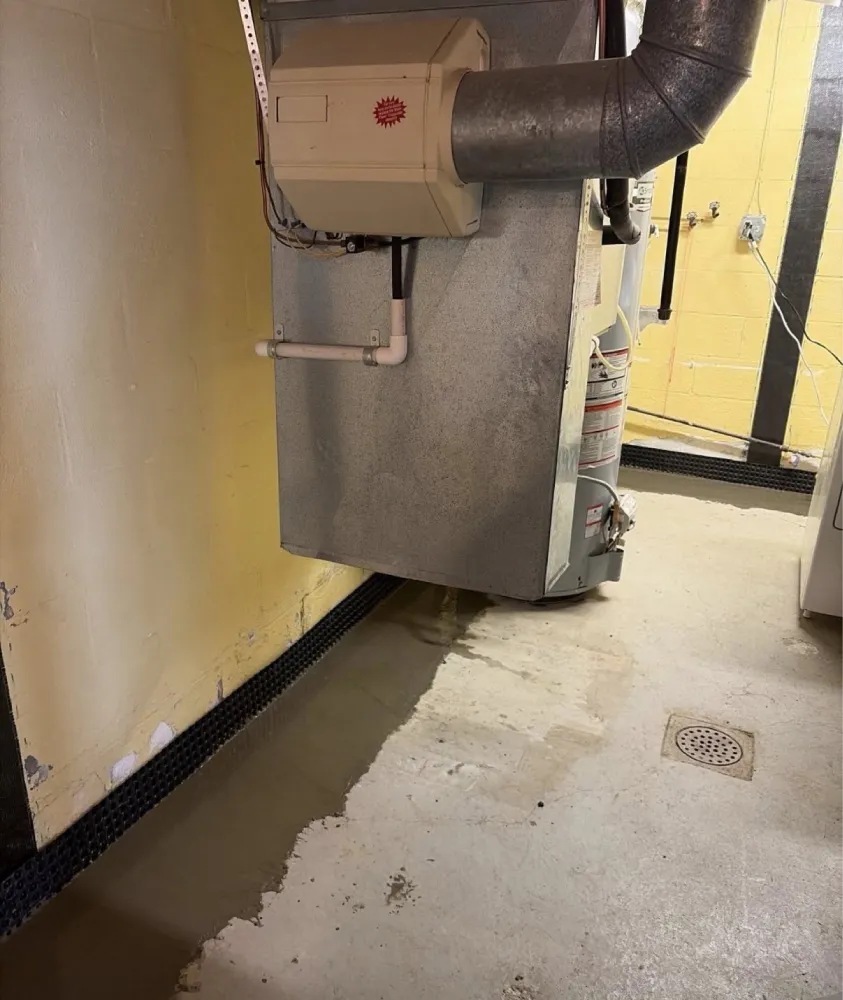
- Aging or clogged perimeter drainage systems
- Porous masonry materials absorb moisture over time
In practice, homes in Shadyside often experience seepage along wall-floor joints due to uneven settlement patterns. In Squirrel Hill, dense clay soil retains water longer, increasing lateral pressure against basement walls. Meanwhile, properties in Lawrenceville frequently show aging mortar joints that allow slow but persistent moisture infiltration.
Understanding these patterns is essential because basement waterproofing is not a one-size-fits-all solution; it must be tailored to soil type, structure age, and water-flow behavior.
Comparison of Basement Waterproofing System Types
Different waterproofing systems serve different roles. A properly engineered solution often combines multiple approaches rather than relying on a single method.
| System Type | Function | Strength | Best Application |
| Interior Drainage System | Collects and redirects water entering the basement | Fast response | Active leakage control |
| Exterior Waterproof Barrier | Blocks water before it enters the foundation | Long-term prevention | Full structural protection |
| Crack Injection Repair | Seals localized foundation cracks | Targeted fix | Visible leakage points |
| Sump Pump System | Removes collected water from the basement | Active discharge system | High water table areas |
| Vapor Barrier System | Reduces humidity and vapor transmission | Moisture control | Damp basement environments |
Each system plays a specific role in controlling water movement. The most effective installations combine at least two or more systems to address both water entry and removal.
Core Components of a Professional Waterproofing System
A complete waterproofing solution is built from multiple integrated components that work together under pressure conditions.
Definition List: Structural Waterproofing Elements
Perimeter Drain Tile System
A drainage channel installed at the foundation footing that collects groundwater and redirects it away from the structure before it enters the basement.
Sump Pump Assembly
A mechanical system that actively pumps water out of the basement once it enters the drainage system, preventing accumulation and flooding.
Foundation Crack Injection System
A polyurethane or epoxy-based sealing process that restores structural integrity and blocks active water intrusion points.
Exterior Waterproof Membrane
A protective coating applied to the exterior foundation wall that prevents soil moisture from penetrating concrete or masonry surfaces.
Interior Vapor Barrier System
A moisture-resistant liner is installed on basement walls to reduce humidity, condensation, and the transfer of airborne moisture.
TC Foundation Pros LLC uses a structured evaluation process that prioritizes identifying the water-entry mechanics before selecting the required combination of components.
Why Timing Is Critical in Waterproofing Decisions
One of the most overlooked aspects of basement protection is timing. Moisture intrusion is usually a symptom of a larger pressure imbalance that has been developing for months or even years.
By the time visible water appears, several hidden conditions are already present:
- Ongoing hydrostatic pressure against foundation walls
- Progressive expansion of micro-cracks in concrete
- Soil saturation surrounding the foundation perimeter
- Reduced the effectiveness of existing drainage systems
Early intervention with basement waterproofing in Pittsburgh solutions significantly reduces repair costs because it prevents structural degradation rather than repairing it after failure occurs.
Waiting too long often results in more invasive repairs, such as wall reinforcement, floor excavation, or full drainage replacement.
Common Misconceptions About Basement Moisture Problems
Myth: Minor Dampness Is Not a Serious Issue
This is one of the most expensive misconceptions in foundation maintenance.
Even small amounts of moisture indicate that water is actively moving through or around the foundation system. Over time, this leads to:
- Mold and mildew growth
- Structural weakening of concrete or masonry
- Increased humidity and indoor air quality issues
- Expansion of existing foundation cracks
- Flooring and insulation damage
Moisture problems rarely remain stable; they almost always worsen without intervention.
Preventive Pittsburgh basement waterproofing systems address these early warning signs before they escalate into major structural repairs.
Step-by-Step Waterproofing Process Explained
A professional waterproofing system follows a structured workflow designed to ensure accuracy and long-term effectiveness.
1. Structural Evaluation
The foundation is inspected for visible cracks, water entry points, and signs of pressure damage.
2. Soil and Drainage Analysis
Water flow patterns, grading, and surrounding soil composition are evaluated to identify external pressure sources.
3. Moisture Detection Mapping
Specialized tools identify hidden moisture migration paths behind walls and beneath flooring.
4. System Design Recommendation
A customized combination of interior, exterior, and mechanical systems is selected based on findings.
5. Installation and Integration
Drainage systems, sealing materials, and pumps are installed in a coordinated sequence.
6. Performance Testing
The system is tested under simulated water conditions to verify effectiveness and drainage efficiency.
This process ensures that solutions are not generic but specifically engineered for each property’s conditions.
Real-World Application of Waterproofing Strategies
Different neighborhoods and soil conditions require different approaches.
In areas like Shadyside, uneven grading and older infrastructure often require combined interior drainage and exterior sealing. In Squirrel Hill, clay-rich soil creates long-term saturation issues that demand enhanced perimeter drainage systems. In Lawrenceville, older homes often benefit from hybrid crack sealing and sump pump integration due to aging foundation materials.
These variations demonstrate why professional assessment is critical before selecting a waterproofing method.
Why Professional Expertise Matters
TC Foundation Pros LLC emphasizes a technical, evidence-based approach to waterproofing. Their methodology is built around:
- Field-based diagnostic inspections rather than assumptions
- Structural engineering principles applied to moisture control
- Long-term system design instead of temporary repairs
- Transparent evaluation and reporting processes
- Material selection based on environmental conditions
This experience-driven model ensures that each project is grounded in real-world performance data and structural behavior rather than generic repair templates.
In Summary
Basement waterproofing is not just a repair service; it is a long-term investment in structural integrity, indoor air quality, and property value. Addressing moisture issues early helps prevent cascading damage that becomes significantly more expensive over time. Providers like TC Foundation Pros LLC emphasize this preventative approach to ensure homes remain protected, stable, and resilient against future water intrusion.
For professional inspection and tailored waterproofing solutions, contact us today. Their structured, experience-driven approach ensures your foundation is protected with systems designed for durability, performance, and long-term reliability.
People Also Ask
What is the most reliable method for basement waterproofing?
A combined system using exterior barriers, interior drainage, and sump pump integration is the most reliable because it addresses both prevention and water removal.
How do I know if my basement needs waterproofing?
Warning signs include dampness on the walls, musty odors, visible cracks, peeling paint, or water pooling after rainfall.
How long does waterproofing last?
High-quality systems can last 20–30 years depending on installation quality, soil conditions, and maintenance.
Can waterproofing increase home value?
Yes. It improves structural reliability, reduces future repair risk, and is a strong selling point for buyers.