

The easiest way to protect your basement from seasonal flooding is to divert water away from your foundation by maintaining clear gutters and extending downspouts at least five to ten feet from the home. Additionally, installing a high-quality sump pump with a battery backup system provides a critical mechanical fail-safe against rising groundwater during heavy rain cycles. Combining these exterior drainage improvements with reliable interior pumping is the most effective strategy for keeping a home dry.
The Foundation of Seasonal Flood Prevention
When the seasons change, and the ground begins to thaw, or the heavy rains arrive, many homeowners face the stressful reality of a damp or inundated lower level. In regions with heavy clay soil, water often pools against the foundation rather than draining away. This creates hydrostatic pressure, which pushes water through porous concrete and small cracks.
The first step in any protection plan is to look upward. Your roof collects thousands of gallons of water during a single storm. If your gutters are clogged or your downspouts drop that water right at the base of your walls, you are essentially “watering” your basement. Ensuring that your drainage system is clear and directed toward a sloped area of your yard is the most cost-effective DIY task you can perform for basement waterproofing in Pittsburgh, PA.
Essential Equipment Comparison for Homeowners
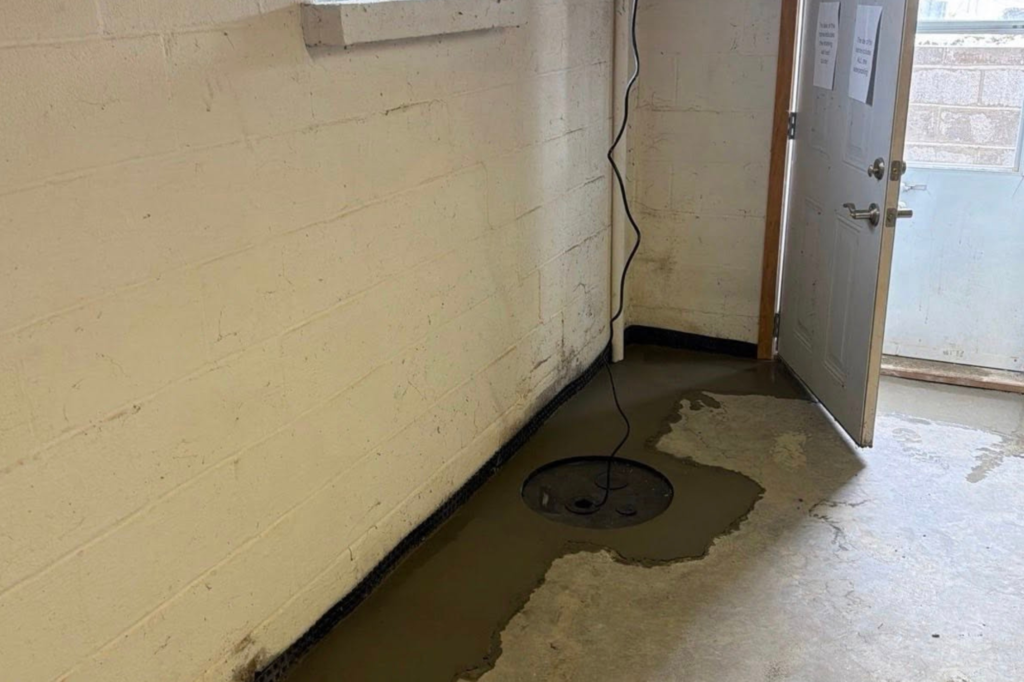
To choose the right level of protection, you must understand the tools available. Mechanical intervention is often necessary when the water table rises above your floor slab.
| Equipment Type | Primary Function | Power Source | Best Use Case |
| Standard Sump Pump | Removes water from a basin below floor level. | Standard Electrical Outlet | Routine groundwater management in dry seasons. |
| Battery Backup Pump | Activates if the main pump fails or power goes out. | 12V Deep-Cycle Battery | Heavy storm seasons and power-unstable areas. |
| Interior Drainage System | Channels wall seepage to the sump basin. | Gravity-fed to pump | Finished basements with recurring seepage issues. |
| Dehumidification System | Manages ambient moisture and prevents mold. | Standard Electrical Outlet | High-humidity climates with damp masonry. |
In my experience conducting a recent audit for a property, the presence of a backup system was the difference between a dry storage area and a total loss of personal belongings. Relying on a single pump is a risk that most homeowners shouldn’t take when seasonal storms are at their peak. For many residents, investing in Pittsburgh, PA, basement waterproofing is the only way to ensure the lower levels of the home remain functional regardless of the weather.
Interior Sealing and Vulnerability Points
Once the exterior is managed, you must address the “envelope” of your basement. Concrete may look solid, but it is a porous material that acts like a hard sponge. Over time, seasonal cycles cause the soil to expand and contract, leading to hairline fractures.
To protect the interior, you should:
- Seal Wall Cracks: Use professional-grade injections to fill gaps in the foundation.
- Monitor the Cove Joint: This is where the wall meets the floor; it is the most common entry point for water.
- Maintain Your Pump: Test your sump pump every spring by pouring a bucket of water into the pit to ensure the float switch triggers correctly.
While performing a routine inspection for a homeowner, we found that a simple stuck float switch was the only thing standing between them and a dry basement. Regular maintenance is a vital part of basement waterproofing in Pittsburgh.
Debunking the Interior Sealant Myth
A common industry misconception is that “waterproof paint” is a permanent solution for a flooding basement. Many homeowners believe that applying a thick coating to the inside of their basement walls will stop water from entering. However, this is largely a myth when it comes to actual flooding.
Interior sealants are designed to reduce “weeping” or vapor transmission, the damp feeling you get on a humid day. They are not designed to withstand hydrostatic pressure. When water builds up outside your foundation, it exerts immense force. Eventually, that pressure will cause the paint to bubble, peel, or flake off. In some cases, trapping water within the block walls can actually accelerate masonry deterioration. True Pittsburgh basement waterproofing involves managing water, not just hiding it behind a layer of paint.
Implementing a Comprehensive Moisture Management Approach
To provide a complete solution, we use a systematic moisture management approach that treats a property as a full ecosystem rather than a collection of isolated components.
This approach is built on three key pillars:
- Interception Phase – Focuses on the transition from roof to ground. We assess the amount of water generated and ensure that collection systems are properly sized to handle peak flows.
- Diversion Phase – Follows the “Path of Least Resistance” principle. We evaluate land grading and discharge systems to make sure water is directed away from the structure and cannot return.
- Extraction Phase – Acts as an internal safety net. High-capacity pumping and interior drainage systems capture and remove water before it reaches vulnerable areas, even under fully saturated conditions.
By applying this structured approach, we move beyond temporary fixes and create a durable, logic-based system that prevents flooding and ensures long-term dryness.
Strategic Maintenance for Long-Term Safety
Beyond the initial setup, protecting your basement is an ongoing process. You should check your discharge lines to ensure they aren’t blocked by debris or ice during the winter-to-spring transition. If water cannot exit the pipe, your pump will burn out trying to push against a blockage.
During a site visit for a client, we noted that their discharge line had been buried by new landscaping, which caused the pump to work twice as hard. Keeping these exits clear is a zero-cost way to extend your system’s life. Whether you are looking for basement waterproofing or simply trying to stay ahead of the spring thaw, keeping these lines clear is essential.
In Summary
Protecting your property from seasonal water issues doesn’t have to be overwhelming when you work with TC Foundation Pros LLC. By focusing on proper exterior drainage, maintaining reliable water management systems, and avoiding common “quick fixes,” you can safeguard your home or building against potential damage. Using a comprehensive, systematic approach ensures that all vulnerabilities are addressed, from rooflines to the foundation. Contact us today to learn how we can protect your property.
People Also Ask
How do I know if my basement needs professional waterproofing?
If you see standing water, damp spots at the base of your walls, or a white, powdery substance (efflorescence) on the masonry, your home is likely experiencing seasonal seepage that requires professional intervention. Many choose basement waterproofing experts to evaluate these signs early.
Will a dehumidifier stop my basement from flooding?
No. A dehumidifier manages the air’s moisture content to prevent mold and musty odors, but it cannot handle liquid water entering through the floor or walls. It should be used in conjunction with a drainage system. For comprehensive help, search for basement waterproofing.
How long does a sump pump typically last?
Most high-quality sump pumps have a lifespan of 7 to 10 years. However, factors like the frequency of use and the chemistry of your groundwater can affect this timeframe. Homeowners prioritizing basement waterproofing often install a backup to mitigate this risk.