
DIY solutions can help with minor moisture problems, but they are rarely a complete or long-term fix for recurring water issues. Many homeowners researching waterproofing services in Pittsburgh, PA, are surprised to learn that water intrusion is often caused by hydrostatic pressure outside the foundation, not just visible cracks inside the basement. That means some do-it-yourself fixes may temporarily reduce symptoms, while the underlying issue worsens over time, making professional basement waterproofing a more reliable solution.
Knowing what actually works, what fails, and when expert alternatives are necessary can help you protect your home and avoid repeat repairs.
Key Takeaways
- DIY basement waterproofing works only for minor moisture issues
- Water pressure outside the foundation is a common root cause
- Surface sealers are not permanent solutions
- Repeated water intrusion usually requires expert evaluation
- Early action helps protect the foundation
Why Basement Water Problems Are So Common in Older Homes
Basement moisture issues usually develop gradually. They are influenced by environmental conditions, construction methods, and how water moves around a property.
Common contributors include:
- Soil that holds moisture near the foundation
- Seasonal rainfall and melting snow
- Older construction that lacks modern drainage systems
- Small foundation openings that expand over time
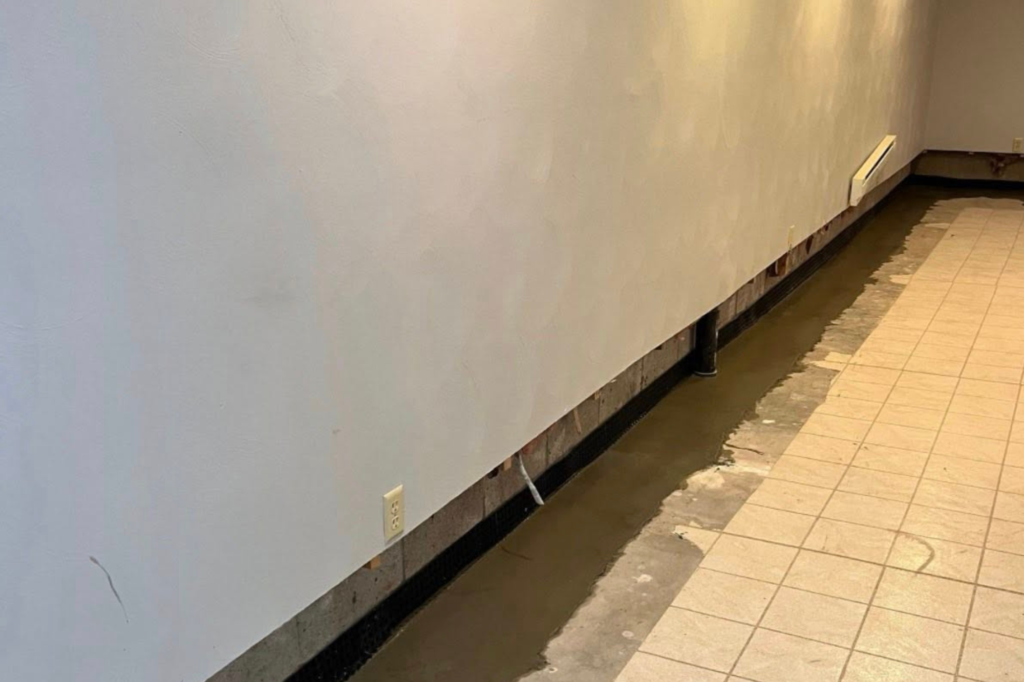
When water collects around the foundation, it creates pressure that forces moisture through walls, joints, or floors. Even small openings can allow water inside when conditions are right.
DIY Basement Waterproofing Methods That Can Help in Limited Situations
Some DIY solutions can be helpful when the problem is minor and well understood. These methods are best used as preventative steps or temporary improvements.
Sealing Small, Non-Structural Cracks
Hairline cracks that are not actively growing can sometimes be sealed using appropriate concrete repair materials. This approach works best when:
- The crack is narrow and stable
- There is no wall movement
- Water intrusion is light and infrequent
Sealing cracks alone does not reduce outside water pressure, so results may be limited.
Improving Water Flow Away From the Home
Managing water before it reaches the foundation is one of the most effective DIY strategies.
Helpful steps include:
- Extending downspouts away from the home
- Ensuring soil slopes outward from the foundation
- Keeping gutters clear and functional
These improvements reduce how much water collects near the basement walls.
DIY Waterproofing Methods That Often Fail
Some commonly attempted fixes look effective at first but fail when water pressure increases.
Interior Wall Coatings
Paints and sealers applied to basement walls may hide moisture temporarily. However, they do not stop water that is being forced through the wall. Over time, these coatings can peel or trap moisture inside the masonry.
Surface-Level Repairs Without Diagnosis
Covering cracks or damp areas without understanding why they formed often leads to repeated problems. Water will usually find a new path inside if pressure is not relieved.
Treating Symptoms Instead of Causes
Many homeowners researching Pittsburgh, PA, basement waterproofing focus on visible leaks, but the real issue is often outside the basement. Without redirecting water, DIY solutions rarely last.
When DIY Basement Waterproofing Is Not Enough
Certain warning signs indicate that a water issue is beyond basic DIY methods.
You may need a professional evaluation if you notice:
- Water appears after most storms
- Damp or discolored basement floors
- Cracks that are widening over time
- Musty odors or signs of mold
- Damage to finished basement materials
Homes commonly experience these problems due to soil conditions and aging foundations, making long-term solutions like basement waterproofing in Pittsburgh, PA, especially important.
Expert Basement Waterproofing Alternatives That Actually Work
Professional solutions focus on managing water at the foundation level instead of reacting to leaks after they occur.
Interior Drainage Systems
These systems collect water at the foundation and guide it away before it reaches the basement interior. They are designed to relieve pressure and handle recurring moisture conditions.
Sump Pump Systems
Sump pumps remove collected groundwater and discharge it safely away from the home. Proper installation ensures reliable operation during heavy water conditions.
Foundation Crack and Wall Stabilization
When cracks are caused by movement or pressure, stabilization methods may be required. These solutions focus on maintaining structural integrity while preventing water entry.
DIY vs Professional Waterproofing: What to Consider
DIY waterproofing can seem appealing at first, but repeated repairs often cost more over time.
DIY approaches may:
- Offer short-term relief only
- Require frequent maintenance
- Fail during heavy water conditions
Professional solutions are designed to manage water continuously and protect the foundation long term.
How to Decide What Is Right for Your Home
Before choosing a solution, ask yourself:
- Has the problem worsened over time?
- Have previous fixes failed?
- Is the finished living space at risk?
Homeowners searching for basement waterproofing in Pittsburgh often benefit from professional inspections that identify the true source of moisture and prevent unnecessary repairs.
About the Business
TC Foundation Pros specializes in foundation repair and waterproofing solutions designed to identify and resolve the true source of water problems. Serving homeowners throughout Pittsburgh and nearby communities, the company focuses on clear evaluations and long-term protection strategies tailored to each property. If you are dealing with basement moisture, foundation cracks, or recurring water issues, professional inspections are available to help you understand your options. Ready for a quote? Contact us today.
Frequently Asked Questions
1. Can I waterproof my basement myself?
DIY methods can help with small moisture issues, but ongoing leaks typically require professional solutions.
2. What is the simplest way to reduce basement moisture?
Improving drainage and directing water away from the foundation is often the most effective first step.
3. Do basement sealers permanently stop leaks?
They may reduce surface dampness, but do not stop water under pressure.
4. Is basement waterproofing worth it?
Yes. Proper waterproofing helps protect the structure and improve basement usability.
5. How long do professional waterproofing solutions last?
When installed correctly, they are designed to provide long-term protection.